
 See Our Latest Article on HelloNation
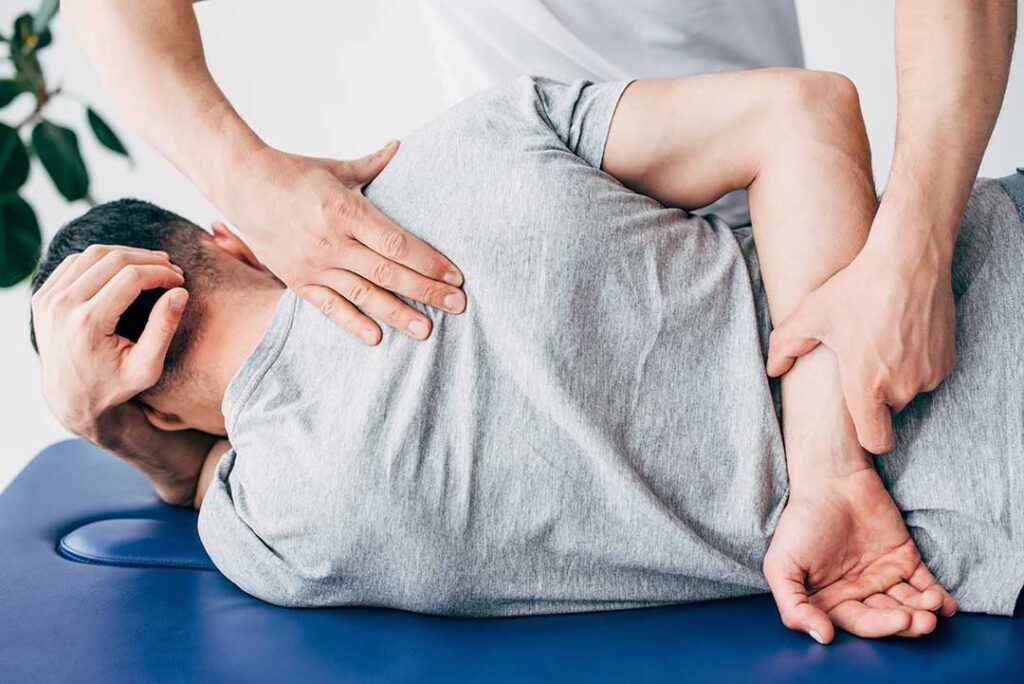
What Risks Do Local Residents Face When Lifting at Home or Work?
Even daily activities in Horseheads, NY—like moving firewood, lifting groceries, or caring for gardens—can expose your spine to injury if done improperly. Sudden back pain, muscle strains, and disc issues often result from common habits rather than major accidents. Cold winters and the need to shovel snow, carry salt, or move heavier household items add extra strain to backs in the community. Understanding safe techniques and when to take precautions helps prevent chronic discomfort and costly injuries.
How Does Poor Lifting Technique Harm the Spine?
Improper lifting, like bending from the waist or twisting with a load, quickly overwhelms the small stabilizing muscles of your lower back. This can strain ligaments, compress spinal discs, and cause inflammation or pinched nerves. Even relatively light loads may lead to persistent back tightness, especially when repeated throughout the day, such as unloading wood pellets or stacking storage bins during seasonal clean-out. Over time, micro-injuries accumulate, making the spine more susceptible to injury and slower to heal.
What Are the Basics of a Safe Lifting Stance?
A safe lifting stance protects your back by distributing weight and engaging stronger muscles. Set your feet shoulder-width apart. Keep your head facing forward and your back straight—never rounded. For most lifts, squat down by bending your knees and hips, not your spine.
- Always get as close as possible to the object before lifting.
- Let the strength come from your legs, not your lower back.
- Keep the object close to your body as you stand.
This method is useful whether you’re lifting boxes in a basement, rescuing a stuck snowblower, or carrying lumber for small repairs around the property.
Should Heavy or Awkward Items Be Lifted Alone?
Try to avoid lifting heavy or oddly shaped objects by yourself. Items like large bags of water softener salt, snow tires, or bundled branches from storm cleanup can be unpredictable or slippery. Sharing the load with another person or using a handcart reduces risk. If those aren’t options, break items into smaller loads or slide them when possible, rather than lifting.
What Local Habits or Conditions Increase Spine Risk?
Horseheads households often face tasks unique to local living, like carrying firewood indoors all winter, navigating icy drives, or reorganizing outdoor sheds. Winter ice can increase the risk of slips while lifting, and confined storage spaces make it tempting to twist or reach with poor form.
- Always clear snow and ice before handling objects outdoors.
- Use traction aids on boots when lifting outside.
- Be extra mindful of lifting posture in cramped quarters.
How Can You Prepare Your Body for Safe Lifting?
Preparation reduces surprise strains. Start with light activity, like walking, if you’ve been sitting for a long period—especially on cold days or after long car rides common in upstate travels. Gentle stretches for the legs, hips, and lower back can also help.
- Engage your abdominal core muscles slightly before lifting.
- Take a moment to plan your route so you avoid awkward steps or turns with a loaded object.
- If an object feels too heavy at first attempt, don’t force it.
What Are the Most Common Lifting Mistakes at Home?
Many back injuries in local households happen from:
- Lifting with legs straight and back rounded.
- Twisting while holding a load (for example, turning to load logs into a stove or stacking supplies on deep shelves).
- Reaching overhead to lift or lower items, especially onto garage rafters or high cabinets.
- Not clearing a path first, leading to tripping hazards with a full load.
Even during seasonal yard cleanup, it’s easy to get hurt by rushing or lifting repetitively with poor posture.
How Can Residents of Horseheads Reduce Repetitive Strain?

Local tasks often involve repetitive lifting, like bringing wood inside daily, tending garden beds, or moving hoses and equipment across properties. It’s easy to ignore small aches until they become persistent.
- Vary your tasks to give muscles recovery time.
- Use assistive devices, like wheelbarrows or sleds for firewood, to decrease the number of direct lifts.
- Take short breaks if you feel tension building in your back, shoulders, or legs.
Which Myths or Misconceptions Can Lead to Injury?
Several common beliefs actually increase the risk of spinal problems:
- "Lift with your back straight" is only half the advice—knees and hips must bend too.
- A weight that "doesn’t feel heavy" can still cause harm if posture is poor or movement is rushed.
- Young, active residents may skip safe techniques, thinking only older adults need to worry, but injuries affect all ages.
In Horseheads, where seasonal and household demands stay high year-round, forming good habits early is safer than learning after an injury.
How to Recognize Early Warning Signs After Lifting
Discomfort after occasional lifting isn’t unusual, but certain symptoms need caution:
- Persistent pain that worsens with activity
- Numbness or tingling in the legs or buttocks
- Weakness, especially in one leg or foot
- Stiffness lasting beyond a few days
Rest, gentle movement, and cold or heat packs manage minor aches, but any symptom affecting movement or quality of life should be monitored closely.
When Is Specialized Help or Changes to Lifting Necessary?
If lifting tasks are consistently causing soreness or symptoms do not improve with reasonable home care, reevaluating technique and frequency is wise. Residents with a history of spine issues, older adults, or those returning to activity after a health issue should consult a medical provider before attempting heavy lifting. In workplaces or volunteer settings in the community, following established guidelines and using assistive equipment is sometimes required by safety regulations.
