
 See Our Latest Article on HelloNation

What Is Spinal Maintenance and Why Do People Consider It?
Spinal maintenance refers to the ongoing care and attention individuals give to their spinal health to prevent discomfort and support mobility. In Horseheads, NY, where winter weather, seasonal chores, and outdoor recreation are part of the local lifestyle, maintaining spinal wellness can influence daily comfort and long-term activity levels.
Many residents ask if ongoing spinal care is only for people with back pain or injuries. In reality, regular attention to spinal health is helpful even for those without symptoms, aiming to prevent problems from developing over time.
How Can Regular Spinal Care Support Everyday Activities?
Consistent care of the spine helps maintain flexibility, posture, and nerve function, making common activities like gardening, snow shoveling, or even sitting for long periods more comfortable.
For households with varying routines—some with physical jobs, others desk-bound or driving—spinal health can support:
- Reduced muscle fatigue during repetitive tasks
- Improved recovery after physically demanding chores such as raking leaves or moving snow
- Fewer disruptions from stiffness after long car commutes common in rural or semi-rural areas
Simple home strategies, such as stretching before seasonal activities or setting reminders to move during long indoor periods, can offer practical benefits.
What Are the Common Signs Your Spine Needs More Attention?
Spinal issues sometimes develop gradually, making it easy to overlook early warning signs. Residents often wonder which changes are normal and which suggest a need for action.
Pay attention to:
- Persistent stiffness when waking up, especially during cold months
- Discomfort or tension after routine activities like carrying groceries or working in the yard
- Numbness, tingling, or weakness in the arms or legs, which could indicate a nerve issue
For most people, occasional soreness is expected, but recurring patterns may point to underlying concern. Recognizing these signals early supports better outcomes.
How Does the Local Lifestyle Affect Spinal Health?
Weather and daily routines in Horseheads influence spinal demands. Icy sidewalks, lifting heavy snow, and carrying firewood increase risk for sudden or repetitive strain. In warmer months, gardening, cycling, and hiking may also test spinal flexibility and strength.
Some overlooked factors affecting area residents include:
- Indoor sedentary habits in winter, leading to loss of mobility
- Repetitive bending and lifting tied to home maintenance or rural property management
- Aging-related changes, as older adults remain active in home and outdoor settings
Being mindful of these patterns can help local families adjust habits before minor strains become major setbacks.
Are Misconceptions About Spinal Maintenance Common?
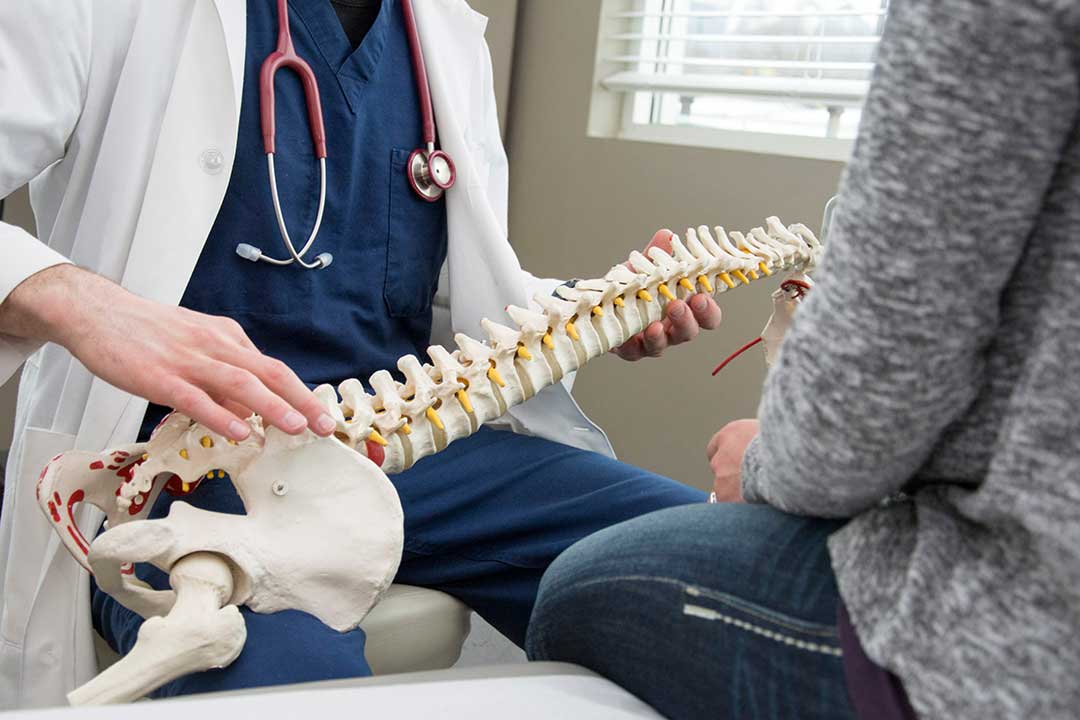
Many believe spinal care is only necessary after injury or intense pain. In reality, focused attention to spinal health is much like taking a car in for regular tune-ups—preventive effort can keep everything running smoothly.
Other misconceptions include:
- Thinking that posture issues only affect teenagers or tech users, when they can affect anyone who spends long hours sitting
- Assuming soreness after chores is simply “part of getting older,” overlooking treatable strain
- Believing that only athletes need to stretch or strengthen their backs
Understanding these myths helps residents make informed choices about their ongoing wellbeing.
What Practical Steps Can Residents Take at Home?
Supporting spinal wellness does not have to be complex or time-consuming. Area households can incorporate several habits into daily life:
- Use supportive, ergonomically suited furniture for reading, computer work, or television
- Take periodic standing or movement breaks—especially during long indoor winters
- Warm up before shoveling, raking, or other heavy tasks to reduce sudden strain
- Teach children good backpack habits and safe lifting techniques, building lifelong spinal awareness
Simple environmental adjustments, like positioning workspaces at proper heights, also reduce cumulative stress on the back and neck.
How Does Regular Spinal Maintenance Contribute to Overall Community Health?
When more residents prioritize spinal health, the impact can be seen in greater mobility, fewer minor injuries, and improved quality of life—benefits that ripple through families and the wider community. Teachers, parents, and older adults often find they are better able to participate in local events, seasonal activities, and volunteer efforts when discomfort is minimized.
A community with greater awareness of preventive spinal care sees less disruption from seasonal back injuries and more residents staying active throughout the year.
