
 See Our Latest Article on HelloNation
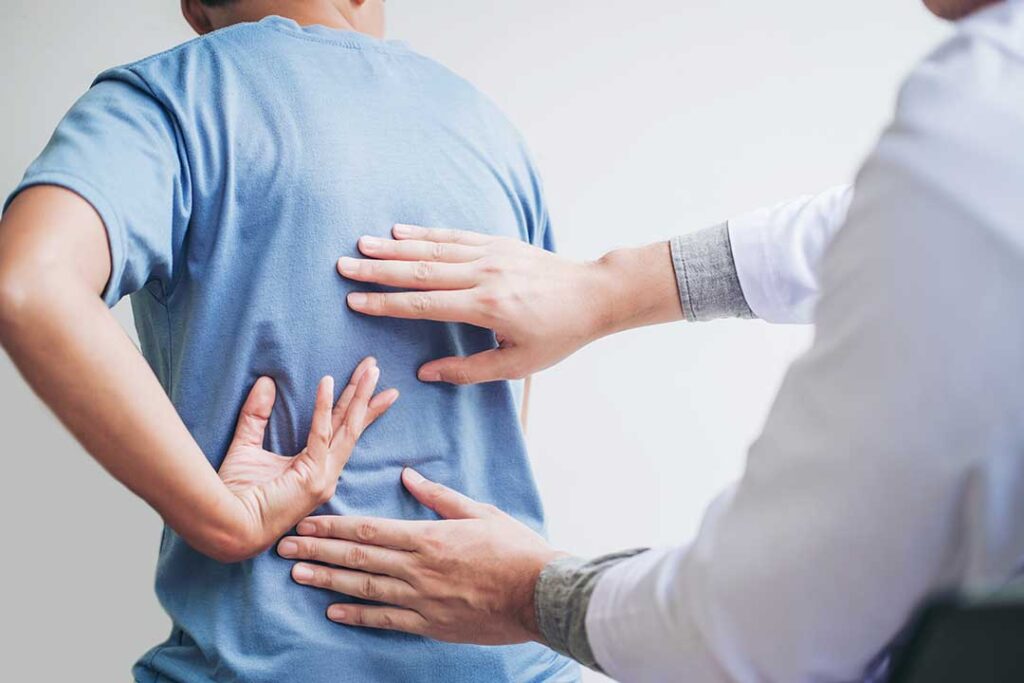
Living in Horseheads, NY, many of us lead active lifestyles—between hiking the Mark Twain State Park trails, participating in local sports leagues, or just keeping up with everyday chores. With that activity comes the familiar sound and sensation of joints cracking or popping, whether it’s in your knees after a walk around Eldridge Park or your knuckles during a chilly winter morning. But is cracking your joints safe? Does it lead to arthritis? Should you seek chiropractic care if it happens regularly? Let’s take a closer look at the truth behind cracking joints, tailored for the Horseheads community.
What Causes Joints to Crack?
When people think of cracking joints, they often visualize knuckles, but let’s not forget other commonly affected areas like the back, neck, shoulders, and knees. Here’s what really causes that popping sound:
- Gas Bubbles: The most common explanation is cavitation. Synovial fluid inside your joints contains dissolved gases. When you stretch or bend a joint, the pressure in the capsule changes, causing gas bubbles to rapidly form and collapse—creating that signature “pop” sound.
- Tendon or Ligament Movement: Sometimes, a tendon may snap over a bone, causing a popping sensation. This might happen if you’ve spent the afternoon gardening or shoveling snow, only to hear your shoulder or knee make a noise as you stand up.
- Rough Joint Surfaces: With age or repetitive use, joint surfaces can become rougher, making these pops more noticeable.
Is Cracking Joints Harmful?
This is one of the most asked questions at our Horseheads chiropractic office—especially as seasonal activities pick back up. The good news is that most research shows habitual joint cracking is not directly linked to arthritis or long-term joint damage in healthy people. It can, however, cause:
- Mild, temporary discomfort if you overdo it.
- Swelling, if combined with underlying inflammation.
- Reduced grip strength in case of constant, forceful knuckle cracking.
If you feel pain, swelling, or a loss of function after a joint pops, it may signal a more serious issue and you should consult a healthcare provider.
Debunking Common Myths About Joint Cracking
Let’s address some of the prevalent myths that circulate in Horseheads and beyond:
- *Myth: Cracking your knuckles causes arthritis.*
Truth: There’s no medical evidence linking habitual knuckle cracking to arthritis.
- *Myth: The louder the pop, the worse it is for you.*
Truth: The intensity of the sound isn’t an indicator of harm. It’s usually just the way the gases inside the joint react.
- *Myth: If your joints crack, you have weak bones or joints.*
Truth: Healthy joints can crack for completely benign reasons.
Should You Be Worried About Cracking Joints?
For Horseheads residents with active or physically demanding lifestyles—from parents supporting local youth sports to retirees enjoying walks at Chemung River—joint sounds are usually a normal part of motion. However, you should seek professional advice if:
- The joint cracking is accompanied by pain or swelling.
- You have a recent injury followed by new popping sounds.
- You notice a decrease in your joint’s range of motion.
Persistent pain or instability, especially in weight-bearing joints like knees and hips, should always be checked by your chiropractor or healthcare provider.
Chiropractic Care and Joint Cracking: What to Expect
You might have heard a “crack” during a visit to a chiropractor in Horseheads, NY, or seen videos online. People often ask: is that safe or even necessary? Here’s what’s really happening:
- The “pop” is natural—the same gas bubble phenomenon, performed in a controlled, therapeutic way.
- Chiropractic adjustments are designed to improve joint mobility and reduce pain, not simply to create noise.
- Trained professionals use specific techniques based on your age, health, and comfort.
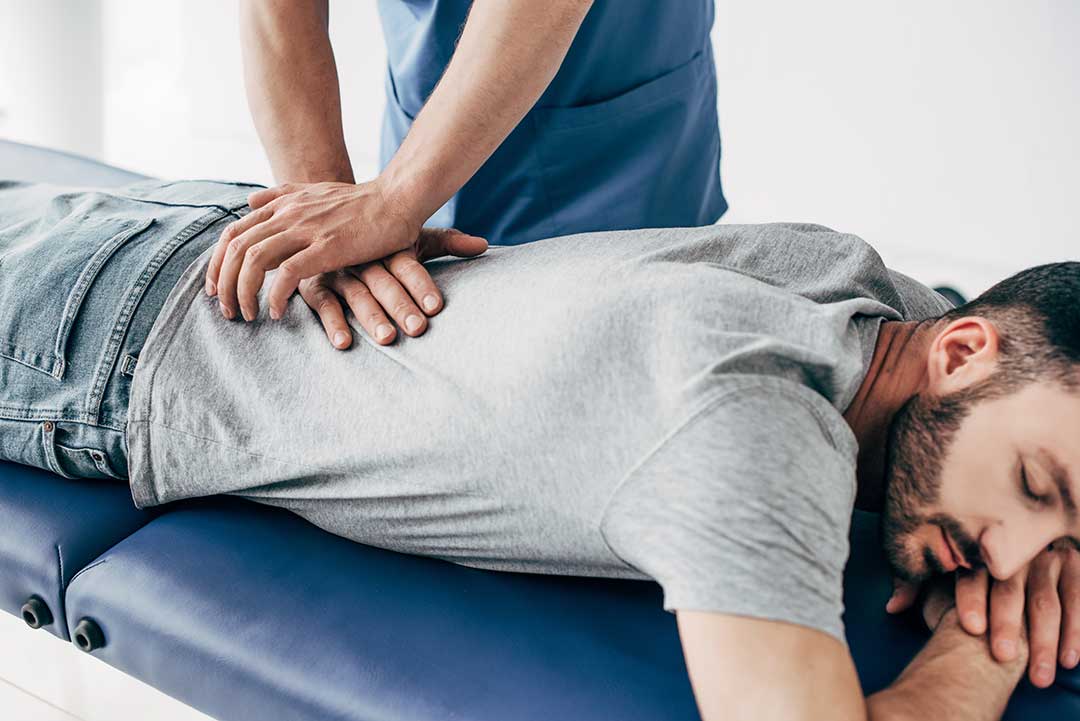
If you’re uncomfortable with joint sounds during treatment, tell your chiropractor—they can modify approaches to suit your preferences.
How to Maintain Healthy Joints in Horseheads, NY
While joint cracking isn’t inherently dangerous, joint health is important—especially given Horseheads’ active lifestyle. Here’s how you can protect and strengthen your joints:
- Stay Active, But Vary Your Movements: Whether you’re hiking Harris Hill or playing at the park, mix up your activities to avoid overuse injuries.
- Warm Up and Cool Down: Always prep your joints before strenuous activity, especially in the New York winters.
- Maintain a Healthy Weight: This reduces the strain on knee, hip, and ankle joints.
- Stay Hydrated & Eat Joint-Supportive Foods: Leafy greens, berries, and omega-3-rich fish can support joint health.
- Listen to Your Body: Don’t ignore pain, swelling, or repeated “locking” of joints.
When to Seek a Chiropractor in Horseheads
While occasional popping and cracking is normal, see your local chiropractor if you experience:
- Lingering pain after a joint pops
- Swelling that doesn’t improve with rest and ice
- Restricted movement that affects your daily living
- Recurrent or worsening popping that causes discomfort
Horseheads is full of people who make the most of every season. Taking care of your body, including understanding what these mysterious joint pops mean, helps you stay active—no matter if you’re enjoying autumn hayrides or wintertime sledding.
Final Thoughts
Joint cracking is a natural part of many people’s daily lives, but it doesn’t have to cause anxiety or uncertainty. For most of us in Horseheads, NY, it’s simply the sound of living an active, engaged lifestyle. If you have specific questions about your joint health, or if those pops are accompanied by pain, don’t hesitate to reach out to a trusted healthcare professional. Remember, your body is unique, and keeping it moving safely is the key to enjoying all that our region has to offer.
